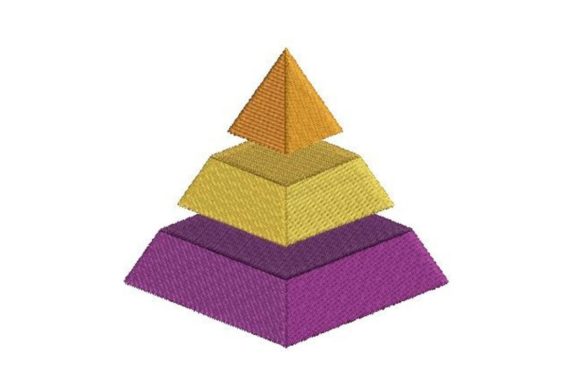
3D Pyramind: A Designer’s Review for Small Business Merch
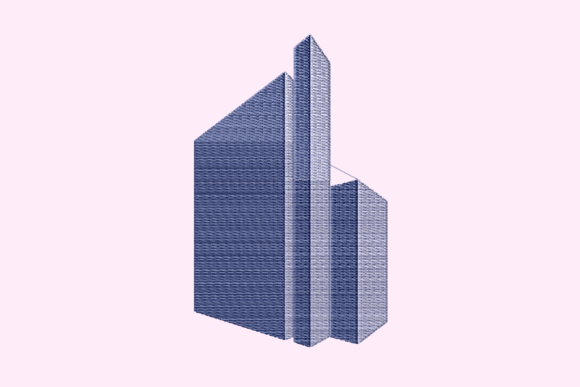
As an embroidery designer who has spent years digitizing and testing files for commercial use, I approach every new machine embroidery design with a critical eye. It is not just about whether a design looks pretty on a screen; it is about how it performs on fabric, how it holds up in the wash, and ultimately, how it serves the brand identity of the small business owner using it. Recently, I reviewed 3D Pyramind, a design categorized under Intricate Cuts within the Embroidery niche. This classic but nicely featured pyramid promises to add an original touch to your embroidery project, aiming to turn ideas into great artworks. For small business owners, Etsy sellers, and apparel decorators, understanding the practical application of this file is crucial before committing to production.
First Impressions: Visual Personality and Brand Fit
The first thing that strikes me about 3D Pyramind is its structural integrity. The title suggests a three-dimensional effect, which in embroidery usually implies careful layering or specific stitch angles to create depth. Visually, the pyramid shape conveys stability, growth, and precision. For a boutique, creative studio, or local business, this geometric clarity can signal professionalism and reliability. Unlike overly whimsical or rustic designs, a pyramid motif feels modern and established. It does not scream "playful" in a childish way; rather, it offers a bold, decorative accent that can elevate a simple garment into a piece of custom apparel.
When I look at the description noting it comes with multiple embroidery options, I interpret this as versatility. A design that can be adapted is invaluable for a product designer who needs to maintain visual consistency across different items. Whether you are running a pet brand, a florist shop, or a bakery, the pyramid can serve as a neutral yet striking symbol that complements various color palettes without clashing with existing logos.
Real-World Applications for Small Business Merch
The true test of any digital embroidery file is its utility in real-world scenarios. Here is how I envision 3D Pyramind performing across different merchandise types:
- Embroidered Patches: This is perhaps the strongest use case. A pyramid design translates beautifully into a patch format. Patches are low-risk, high-reward items for small business merch. They can be ironed onto jackets, bags, or hats, allowing customers to customize their own gear. The geometric lines of the pyramid ensure that the patch remains legible even when viewed from a distance.
- Cap Embroidery: Placing a design on the front of a cap requires precision. The curved surface of a cap can distort wide designs, but a pyramid’s tapered shape often sits well on the center panel. However, one must be mindful of the height. If the design is too tall, it may wrap around the curve uncomfortably. Testing the hoop size against your specific cap structure is essential.
- Tote Bag Design: Canvas tote bags are staples for boutiques and markets. A centered 3D Pyramind logo adds a premium feel to a basic bag. The sturdy fabric of a tote supports higher stitch density, allowing the intricate cuts and details to shine without puckering.
- Apron Embroidery: For cafes, bakeries, and florists, branded aprons are walking advertisements. A small version of this design on the chest pocket area looks sophisticated. It suggests attention to detail, which builds customer trust. The key here is scale; it should be subtle enough not to overwhelm the uniform but distinct enough to be recognized.
- Staff Uniforms and Work Shirts: On polo shirts or button-downs, this design can serve as a sleeve detail or a chest logo accent. It reinforces brand identity without being aggressive. For corporate or service-oriented businesses, this level of polish enhances the perceived value of the service provided.
Navigating Technical Challenges and Fabric Textures
While the aesthetic appeal is strong, we must discuss where 3D Pyramind requires caution. The category "Intricate Cuts" suggests fine details. In embroidery, fine details are vulnerable. If you are stitching this onto a textured fabric like terry cloth or a loose-knit sweater, the small elements may get lost or cause puckering. Always consider the fabric texture before hooping.
Stitch density is another critical factor. If the design is too dense for the fabric weight, it will create a stiff, cardboard-like feel that customers dislike. Conversely, if it is too sparse, the backing or stabilizer might show through, especially on dark uniforms. I recommend testing the design on the exact fabric you plan to sell. Use a proper stabilizer—cut-away for stretchy fabrics and tear-away for stable wovens—to ensure the finished product lies flat.
Small patch sizes present another challenge. If you shrink the design too much, the "intricate" aspects may merge into a blob of thread. Always check the minimum recommended size. If the file provider does not specify exact stitch counts or minimum dimensions, you must run a test stitch-out. Do not assume a design will scale infinitely. For tiny lettering or micro-details, simplicity is often better. Ensure that the spacing between elements is sufficient to prevent thread breaks during high-speed commercial embroidery runs.
Enhancing Brand Identity and Customer Trust
Why does the choice of design matter for brand identity? Because every touchpoint is a communication tool. When a customer receives a handmade product with a cleanly embroidered 3D Pyramind, they perceive quality. This perception builds trust. A sloppy or poorly chosen design can undermine the professionalism of your brand. By selecting a design that is classic yet featured, you signal that your business values aesthetics and durability.
Visual consistency is key. If your brand uses geometric shapes in its logo or packaging, this embroidery design acts as a cohesive extension of those assets. It helps in creating a recognizable look across your Etsy branding, social media posts, and physical products. When customers see the same high-quality emblem on their tote bag, cap, and apron, it reinforces recognition. This consistency drives buyer engagement and encourages repeat purchases, as customers feel connected to a well-curated brand experience.
Practical Notes for the Embroidery Professional
Before you launch this design into your product line, follow these practical steps to ensure success:
- Test in Black and White First: Remove color from the equation to evaluate the structure. If the design lacks contrast or clarity in monochrome, it will struggle in color too. This helps you identify spacing issues early.
- Review Thread Color Contrast: Once you move to color, ensure your thread choices provide enough contrast against the fabric. A dark pyramid on a navy shirt may vanish. Consider using metallic or variegated threads to enhance the 3D effect mentioned in the title.
- Confirm Hoop Size and Licensing: Check if the file fits your standard hoops. More importantly, confirm commercial licensing. Since this is for small business merch, you must have the right to sell the finished product. If the description does not explicitly state commercial rights, contact the seller before production.
- Create a Printable Mockup: Before stitching, place the design digitally on photos of your products. This printable mockup helps you visualize scale and placement, saving time and materials. Compare it beside other design assets to ensure it fits your collection.
- Inspect Spacing and Density: Look closely at the digitizing. Are there jump stitches that need trimming? Is the underlay sufficient for the topstitching? These technical details determine the longevity of the embroidered patch or garment.
In conclusion, 3D Pyramind offers a versatile option for those looking to add a structured, professional element to their custom apparel and accessories. By respecting the technical limitations of embroidery and aligning the design with your brand’s values, you can transform this digital file into a tangible asset that drives sales and enhances customer loyalty. Always prioritize testing and quality control to ensure that every stitched item reflects the high standards of your small business.