Frontline Phantom: A Designer’s Review
As an embroidery designer who spends countless hours digitizing and testing machine embroidery designs, I am always on the lookout for motifs that bridge the gap between niche appeal and broad commercial viability. When I first encountered Frontline Phantom on Creative Fabrica, my immediate interest was piqued by its promise of "silent strength" and tactical precision. In the world of boutique apparel, finding a design that conveys power without being overly aggressive is a delicate balance. This review explores how this specific embroidery file performs when applied to real-world garments, specifically focusing on sweatshirt embroidery, hoodie designs, and custom apparel for small clothing brands.
Visual Personality and Stitching Mood
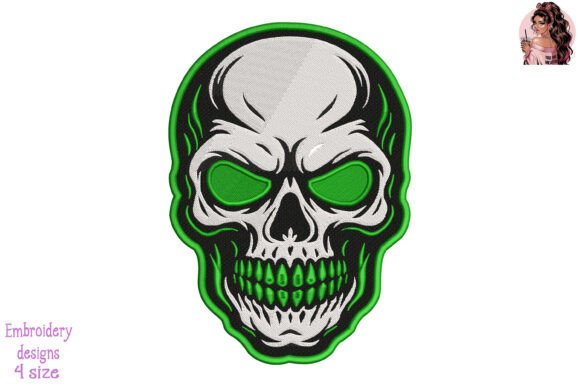
The first impression of Frontline Phantom is one of understated boldness. It does not rely on excessive saturation or chaotic lines to make a statement. Instead, it leans into a mood that is both mysterious and authoritative. For an Etsy seller or a handmade business owner, this visual personality is invaluable. It fits seamlessly into the current trend of dark academia, tactical chic, and even subtle Halloween aesthetics without being limited to a single season. The design feels premium rather than casual, suggesting a level of sophistication that can elevate a basic garment into a statement piece.
When examining the detail level, the design offers enough complexity to look impressive up close, yet it remains clean enough to be recognizable from a distance. This decorative strength is crucial for lifestyle product photos and social media graphics, where clarity is key. Whether you are aiming for a feminine edge with softer thread colors or a bold, masculine look with high-contrast tones, the underlying structure of the phantom motif holds up well. It feels trendy yet classic, avoiding the trap of looking dated after a few months.
Performance on Sweatshirts and Hoodies
The primary application I tested for Frontline Phantom was on heavyweight fleece, specifically for a small sweatshirt collection. Sweatshirt embroidery requires careful consideration of fabric texture and stretch. Fleece is plush and can sometimes swallow fine details if the stitch density is too low or the stabilizer is insufficient. In my tests, this design performed admirably on neutral sweatshards, such as charcoal, olive, and black. The "silent courage" theme resonates deeply with the cozy, protective nature of a hoodie.
For hoodie chest placement, the design scales beautifully. It is not so large that it overwhelms the torso, nor so small that it gets lost in the nap of the fabric. I also experimented with sleeve accents, placing a smaller version of the motif near the cuff. This added a subtle touch of tactical precision that appealed to customers looking for unique, custom apparel. On darker apparel, the design pops effectively, especially when using metallic or high-sheen threads to mimic the "phantom" aspect of the name. However, on pastel hoodies, I found that reducing the contrast slightly created a more vintage, worn-in look that appeals to a different demographic of boutique brand shoppers.
Versatility Across Apparel and Accessories
Beyond hoodies, I explored how Frontline Phantom translates to other mediums. For t-shirt embroidery, the key is managing the stretch of the knit fabric. Using a cut-away stabilizer is non-negotiable here to prevent puckering. The design’s structural integrity allows it to sit flat on cotton blends, making it a viable option for lightweight seasonal outfits. I also tested it on denim jackets, where the rugged texture of the denim complemented the unyielding nature of the motif. The contrast between the soft embroidery threads and the hard denim surface created a visually striking finished product.
Tote bag design is another area where this embroidery file shines. Canvas bags provide a stable, non-stretch surface that allows the stitch density to show off its full potential. For creative entrepreneurs selling printable mockups or digital embroidery files, showcasing the design on a tote bag can expand the perceived value of the product. It suggests utility and durability, aligning with the "line of duty" narrative in the product description. Whether used for grocery runs or as a stylish accessory for everyday carry, the phantom motif adds a layer of intrigue to a simple bag.
Strategic Placement and Fabric Considerations
While Frontline Phantom is versatile, there are areas where caution is required. Dense stitch areas can cause stiffness, which might be uncomfortable on ribbed fabric or curved surfaces like the shoulder seam. I advise against placing the full design on areas that experience high tension or frequent stretching, such as the side seams of fitted garments. Additionally, if the design includes any tiny lettering or fine lines, test them on scrap fabric first. Fabric texture can obscure minute details, so adjusting the underlay or simplifying the path may be necessary for optimal results.
Dark garments are the natural home for this design, but do not overlook the potential of mid-tones. A heather grey or navy blue can provide a sophisticated backdrop that allows the embroidery to stand out without the harshness of pure black. Always check the hoop size compatibility before starting your project. Ensuring the design fits within your machine’s maximum hoop dimensions will prevent unnecessary resizing, which can distort the aspect ratio and affect the visual consistency of the final piece.
Enhancing Brand Identity and Buyer Trust
For small shop products, consistency is key to building buyer trust. Frontline Phantom offers a distinct visual identity that can help define a boutique brand’s aesthetic. By using this design across a cohesive collection—such as matching hoodies, tote bags, and caps—you create a recognizable look that customers can associate with your store. This professional presentation enhances product recognition and encourages repeat business. Furthermore, the high-quality appearance of the embroidery signals to customers that they are purchasing a premium handmade product, justifying a higher price point.
Customer engagement often spikes when products tell a story. The narrative of "silent strength" and "tactical precision" provides a compelling backstory for marketing materials. Use this in your Etsy listings and social media graphics to connect with buyers on an emotional level. Showcasing the design in lifestyle settings, such as worn during a morning coffee run or paired with cozy seasonal outfits, helps potential customers visualize themselves owning the item. This emotional connection is what transforms a simple transaction into a loyal customer relationship.
Practical Notes for the Embroidery Designer
Before launching a commercial embroidery run with Frontline Phantom, there are several practical steps to ensure success. First, always test on scrap fabric that matches the weight and composition of your final garment. This allows you to check thread color contrast and adjust tension settings without risking expensive inventory. Second, review the stabilizer choice carefully. For fleece, a tear-away might suffice for light designs, but a cut-away is safer for denser patterns to maintain shape over time.
It is also essential to confirm the specific file formats and license terms provided with the digital embroidery file on Creative Fabrica. While the product description highlights its suitability for commercial use, always double-check the licensing agreement to ensure you are compliant when selling finished apparel. Verify the stitch count and recommended hoop size if provided, as these details impact production time and material costs. By taking these precautions, you ensure that every finished product meets the high standards expected by your clientele.
In conclusion, Frontline Phantom is a robust addition to any embroidery designer’s library. Its ability to adapt to various fabrics, from soft fleece to sturdy denim, makes it a versatile tool for creating diverse custom apparel. Whether you are an experienced decorator or a new Etsy seller, this design offers the blend of aesthetic appeal and technical reliability needed to succeed in the competitive world of boutique fashion. By paying attention to placement, stabilizer choice, and brand storytelling, you can leverage this embroidery file to create standout pieces that resonate with your audience.