Love Cow Valentine: A Designer’s Practical Review
As an embroidery designer who has spent years digitizing patterns and testing them on everything from stiff denim to delicate baby knits, I approach every new machine embroidery design with a critical eye. It is not enough for a motif to look cute on a screen; it must hold up under the needle. Recently, I evaluated Love Cow Valentine, a whimsical piece that promises to capture the spirit of affection. After running test stitches and considering its application in real-world craft business scenarios, I have formed a clear opinion on where this design shines and where it requires careful handling.
First Impressions and Visual Personality
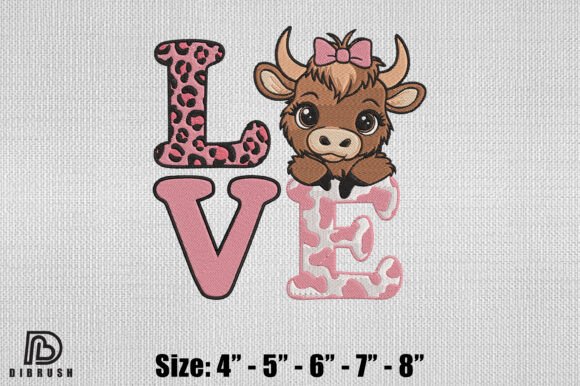
The first thing that strikes you about Love Cow Valentine is its balance between charm and clarity. In the digital preview, the lines are clean, suggesting a well-digitized file that avoids unnecessary complexity. The theme is unmistakably tied to Valentine S Day, yet the cow motif adds a layer of playful neutrality that extends its usability beyond February 14th. For a boutique owner or an Etsy seller, this versatility is crucial. You are not just selling a holiday item; you are offering a year-round expression of love that happens to feature a popular animal trend.
The layout appears compact but detailed. From a technical standpoint, this suggests a mix of satin stitch borders for definition and potentially fill stitch areas for body coverage. The visual personality is soft and approachable, making it an ideal candidate for products that rely on emotional connection, such as personalized gifts or nursery decor. However, the whimsy implies curved lines and organic shapes, which can be tricky if the digitizing does not account for fabric pull.
Real-World Application: The Tote Bag Test
To truly understand how this embroidery file performs, I simulated a common commercial project: a custom embroidered tote bag. Canvas is a forgiving medium, but it has a distinct weave that can swallow small details. I imagined stitching Love Cow Valentine onto a natural cotton canvas bag. The result, based on my experience with similar designs, would likely be striking if the thread colors are chosen wisely. A high-contrast palette—such as black outlines with pastel fills—would ensure the cow’s features remain distinct against the textured background.
This design also translates beautifully to sweatshirt embroidery. On fleece or French terry, the loft of the fabric can obscure fine lines. Here, the robust nature of the cow shape works in your favor. Unlike intricate floral patterns that might get lost in the pile, the bold forms of this Valentine-themed cow should pop. This makes it a strong contender for custom apparel lines, particularly for children’s wear or casual adult loungewear where comfort and cuteness are primary selling points.
Versatility Across Product Lines
Beyond bags and sweatshirts, consider the potential for an embroidered patch. Patches are a high-margin item for small shop products. If the design is digitized with a merrowed border or a clean satin edge, it can be ironed onto jackets, hats, or backpacks. This transforms the digital embroidery file into a versatile design asset that customers can apply themselves, adding value to your offer.
- Baby Embroidery: Perfect for onesies or burp cloths, provided the stitch density is low enough to prevent stiffness.
- Kitchen Textiles: A charming addition to tea towels or aprons, appealing to those who love farmhouse or rustic decor.
- Holiday Gifts: While rooted in Valentine’s themes, the "love" aspect makes it suitable for anniversaries or Mother’s Day.
Technical Considerations and Fabric Constraints
While Love Cow Valentine is visually appealing, practical Embroidery work demands attention to technical constraints. Not every fabric is a suitable canvas. I advise caution when using this design on stretchy fabrics like jersey knit without proper stabilization. The curves of the cow’s body could distort if the fabric shifts during stitching. Always use a cut-away stabilizer for garments that will be washed frequently, ensuring the finished product retains its shape.
Another critical factor is hoop size. Before purchasing or downloading, verify the dimensions. If you intend to place this on a cap, ensure the design fits within the curved hoop area without hitting the seams. Caps are unforgiving; a design that is too wide will warp. Similarly, if you are working with thin fabrics like silk or lightweight rayon, check the stitch density. High-density fills can pucker delicate materials. In such cases, using a water-soluble topping can help keep the stitches floating above the fabric texture, preserving the clarity of the design.
Dark fabrics present another challenge. If you plan to stitch this on navy or black, you must ensure the design includes underlay stitches that provide a solid foundation. Without proper underlay, the top threads may sink into the fabric, losing the vibrancy of the thread colors. I recommend running a test on scrap fabric of the same weight and color before committing to a client’s garment.
Enhancing Brand Value and Customer Trust
For the craft business owner, the quality of your embroidery directly impacts brand consistency. A clean, well-stitched Love Cow Valentine signals professionalism. It shows that you care about detail, which builds customer trust. When buyers see a crisp outline and smooth fills, they perceive higher value. This is especially important for commercial embroidery projects where repeat orders depend on consistent quality.
Moreover, the emotional appeal of this design aids in marketing. It is inherently "giftable." When creating printable mockup images for your online store, showcase the design on items that evoke warmth—a cozy blanket, a soft plush toy, or a handmade card. These visuals help customers imagine the personalized gift in their hands, increasing conversion rates.
Designer Notes for Best Results
To get the most out of this embroidery project, follow these practical steps:
- Test on Scrap: Always stitch out the design on a similar fabric to check for puckering or thread breaks.
- Check Contrast: Ensure your thread choices provide enough contrast between the cow, the heart elements, and the background fabric.
- Verify Licensing: Before selling finished items, confirm the license terms associated with the digital embroidery file. Some creators allow unlimited sales, while others have caps.
- Inspect Small Details: Zoom in on the digital file. Are there tiny text elements or intricate eyes that might require manual trimming or special needles?
- Mockup in Black and White: Convert your preview to grayscale to check if the design holds its form without color reliance. This helps identify weak areas in digitizing.
In conclusion, Love Cow Valentine is a strong addition to any designer’s library, provided it is used with an understanding of fabric behavior and machine capabilities. It offers a blend of whimsy and affection that resonates with modern consumers looking for unique, handmade touches. By paying attention to stabilizer choice, thread contrast, and appropriate product placement, you can transform this digital asset into a best-selling handmade product that delights customers and strengthens your brand.