Reviewing the 3D Layered Dragon for Nursery Projects
As a designer who spends more time staring at stitch maps than actual fabric, I have learned that not every machine embroidery design is created equal. Some are built for speed, others for density, and a rare few manage to balance artistic flair with technical practicality. Recently, I pulled up the 3D Layered Dragon file to evaluate its potential for a upcoming line of nursery decor. The premise is charming: a whimsical dragon intended to bring a touch of fantasy to a baby’s sleep space. But does it hold up under the needle? Here is my honest assessment from a professional perspective.
First Impressions and Visual Personality
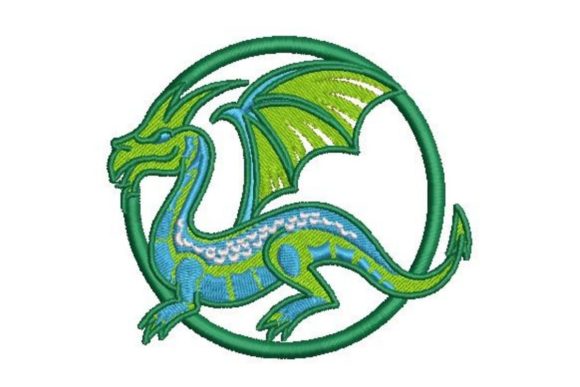
The moment I loaded the embroidery file into my software, the structure caught my eye. The term "layered" suggests depth, and in this case, it delivers a sense of dimensionality that flat vector art often lacks. The dragon feels approachable rather than fierce, fitting squarely into the Fairy Tales category without feeling overly generic. For Embroidery enthusiasts, this distinction matters. A design meant for a child’s room needs to soften its edges, both literally in stitch type and figuratively in mood.
The layout appears balanced, avoiding the common pitfall of having one heavy side that pulls the fabric during stitching. This symmetry is crucial when working with lightweight materials like cotton muslin or flannel, which are staples in baby embroidery projects. The visual personality is playful, making it an ideal candidate for personalized gift items where emotional connection drives the purchase.
Real-World Application: The Nursery Scenario
To test the viability of the 3D Layered Dragon, I imagined a specific real-life scenario: creating a custom quilted pillow cover for a newborn’s nursery. In this context, the design needs to serve as a focal point without overwhelming the soft, calming aesthetic parents usually prefer. I considered how the dragon would look stitched onto a pale yellow or mint green background. The layering effect allows for creative use of thread colors. By using slightly varying shades within the same color family, you can enhance the 3D illusion, making the dragon pop off the fabric texture naturally.
Beyond pillows, this design has strong potential for sweatshirt embroidery. Imagine a cozy, oversized hoodie for a toddler. The dragon’s scale and detail level seem appropriate for the chest or back panel. It transforms a basic garment into a handmade product with perceived higher value. For Etsy seller accounts and small shop product lines, this versatility is key. You are not just selling a stitch-out; you are selling a finished item that tells a story.
Technical Performance and Stitch Quality
When evaluating any digital embroidery file, I look closely at the stitch types used. Does the design rely too heavily on dense fill stitch areas that might cause puckering? Or does it utilize satin stitch borders effectively to define shapes? The 3D Layered Dragon appears to use a mix that supports its layered concept. However, designers must be cautious. Layered effects often require precise registration. If your machine is not perfectly calibrated, the layers might shift, ruining the 3D effect.
I also noted the importance of stitch density. For a baby item, comfort is paramount. No parent wants a scratchy, stiff patch of embroidery against their child’s skin. If the design is particularly dense, using a high-quality cut-away stabilizer is non-negotiable. For lighter fabrics, a tear-away might suffice, but for items that will undergo frequent washing, such as tote bag design applications or daily-wear custom apparel, stability is critical to prevent distortion over time.
Where to Use Caution
While the design is versatile, it is not universal. I would hesitate to use the 3D Layered Dragon on highly textured fabrics like thick wool or terry cloth without extensive testing. The fine details could get lost in the pile. Similarly, stretching fabrics like jersey knits require careful handling. Without proper hooping and stabilizing, the dragon’s intricate lines could warp, turning a cute creature into a distorted mess.
Another consideration is hoop size. Ensure your machine’s hoop accommodates the full design dimensions. If you are forced to resize the design significantly to fit a smaller hoop, you risk compromising the integrity of the stitches. Tiny details may merge, and the clarity of the layers could suffer. Always check the recommended dimensions provided with the file before committing to a project.
Enhancing Product Value and Brand Consistency
For craft business owners, the choice of design reflects brand identity. Using a well-executed design like the 3D Layered Dragon signals professionalism. It shows that you care about detail and quality. When customers see a clean, crisp stitch-out with no thread breaks or misalignments, their trust in your finished product increases. This is especially true for holiday embroidery gifts, where expectations for perfection are high.
Incorporating this design into your design assets library can also streamline your workflow. Once you have mastered the tension and stabilizer requirements for this specific dragon, you can replicate the success across various products, from embroidered patch creations to aprons and tea towels. Consistency in quality leads to consistency in sales.
Practical Designer Notes for Best Results
Before you start stitching on your final garment, follow these practical steps:
- Test on Scrap Fabric: Always run a test stitch on the same type of fabric you plan to use. This reveals any tension issues or density problems.
- Check Thread Contrast: Use contrasting thread colors in your test to clearly see each layer. This helps identify registration errors.
- Review Stitch Density: If the design feels too stiff after stitching, consider reducing the density in your software if you have the editing skills, or switch to a lighter weight fabric.
- Confirm Hoop Size: Verify that your hoop is large enough to accommodate the design without needing to re-hoop, which can cause alignment issues.
- Inspect Small Details: Zoom in on the digital preview. Are there tiny jumps or unnecessary trims that could be optimized?
- Mockup Testing: Create printable mockup images to visualize the design on different colored backgrounds. This helps in marketing your commercial embroidery services.
- Licensing Check: Confirm the license terms. Can you sell items made with this design? Most designers allow commercial use for physical items, but always verify before listing on platforms like Etsy.
Final Verdict
The 3D Layered Dragon is a solid addition to any designer’s library, particularly for those focusing on children’s items and whimsical decor. It offers a blend of charm and technical interest that, when executed correctly, results in a high-value embroidery project. By paying attention to fabric choice, stabilizer selection, and machine calibration, you can ensure that this dragon flies off the shelves, delighting customers with its playful presence. Remember, the magic lies not just in the design itself, but in the care taken during the stitching process.