Review: Border Cross Stitch Embroidery Design
As an embroidery designer who has spent years helping small businesses translate their brand identity into thread, I approach every new digital embroidery file with a critical eye. It is not just about whether a design looks pretty on a screen; it is about how it performs in the real world of commercial production. Recently, I evaluated the Border Cross Stich Embroidery Design, a piece that promises to capture the warmth of autumn through vivid hues and folk ornament inspiration. For shop owners, apparel decorators, and handmade brands, understanding the practical application of this design is crucial before adding it to your product line.
First Impressions: Visual Personality and Brand Fit
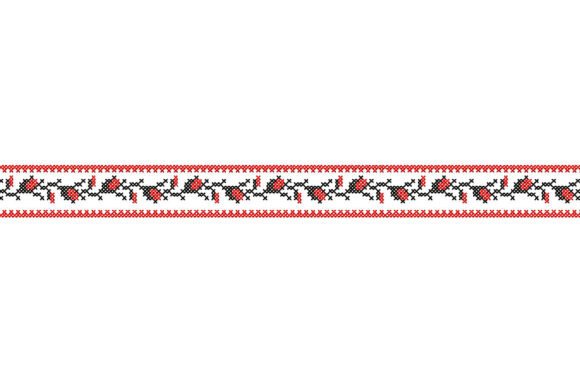
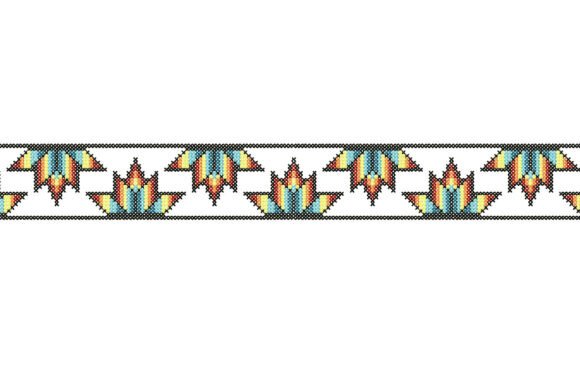
The first thing that strikes you about the Border Cross Stich Embroidery Design is its inherent charm. It does not try to be ultra-modern or minimalist. Instead, it leans into a rustic, handmade aesthetic that feels authentic and welcoming. The description highlights an "enchanting melange of vivid hues," which suggests a design rich in color variation. For a boutique, bakery, or florist, this visual personality can be a powerful asset. It communicates warmth, tradition, and care—values that resonate deeply with customers looking for unique, non-mass-produced items.
However, from a professional standpoint, "folk ornament" and "cross stitching" styles can sometimes present challenges in machine execution. The charm lies in the texture, but the risk lies in the complexity. When reviewing this for small business merch, I look for balance. Does the design feel cluttered, or does it have enough breathing room? This particular design appears to offer a decorative border element, which is versatile. It can frame a logo, accent a hem, or stand alone as a decorative strip on tote bags and aprons.
Real-World Applications for Small Business Merchandise
The true test of any machine embroidery design is its versatility across different products. Here is how I envision the Border Cross Stich Embroidery Design performing in various commercial contexts:
- Embroidered Patches: This is perhaps the strongest use case. A border design translates beautifully to a patch format. You can create iron-on or sew-on patches for customer gifts or retail sales. The folk style appeals to the current trend of cottagecore and vintage-inspired fashion.
- Apron Embroidery: For cafes, bakeries, and craft studios, branded aprons are essential. Placing this design along the bottom hem or the strap of an apron adds a touch of elegance without overpowering the staff uniform. It elevates the perceived value of the service provided.
- Tote Bag Design: Canvas totes are a staple for Etsy sellers and local shops. A horizontal border design can run across the center or bottom of a tote bag. The vivid hues mentioned in the description would pop against natural canvas or dark denim, creating a striking finished product.
- Cap Embroidery: Using a border on a cap requires precision. It could work well on the side panels or as a curved accent above the brim. However, caution is needed regarding the curvature of the cap front.
- Product Packaging Accents: Imagine this design embroidered on a small fabric tag attached to your handmade products. It serves as a subtle brand marker that reinforces the handmade quality of your goods.
Technical Considerations and Production Challenges
While the aesthetic appeal is high, we must address the technical realities of producing the Border Cross Stich Embroidery Design. Cross-stitch styles often mimic the look of hand-stitched X patterns. In machine embroidery, this can lead to high stitch density if not digitized correctly. High density can cause puckering, especially on lighter fabrics.
When using this design on custom apparel like t-shirts or thin linen, you must prioritize your choice of stabilizer. A cut-away stabilizer might be necessary to support the weight of the thread, particularly if the design uses multiple colors to achieve that "melange" effect. Additionally, the fabric texture plays a significant role. Rougher textures like canvas or denim will hold the design well, but delicate silks or thin cottons may struggle with the structural integrity of a dense border.
Another critical factor is scale. If you plan to use this as a small chest logo or on a tiny patch, you must verify the legibility. Detailed outlines and small cross-stitch elements can merge together when shrunk down. I always advise running a test stitch-out at the smallest intended size before committing to a full production run. Check if the thread colors provide enough contrast. If the design relies on subtle shifts in hue, it might get lost on dark uniforms or textured materials.
Impact on Brand Identity and Customer Trust
Why does the choice of design matter for your bottom line? Because consistency builds trust. The Border Cross Stich Embroidery Design helps establish a cohesive brand identity. If your brand values tradition, warmth, and artisanal quality, this design reinforces those messages every time a customer sees your merchandise. It is not just decoration; it is a communication tool.
Using high-quality design assets like this signals professionalism. Customers can distinguish between a cheap, printed logo and a well-executed embroidered design. The tactile nature of embroidery adds perceived value, allowing you to price your handmade product lines higher. Whether it is a staff uniform or a retail item, the finished look contributes to customer engagement and brand recognition.
Practical Designer Notes for Best Results
Before you purchase and produce, follow these steps to ensure success with the Border Cross Stich Embroidery Design:
- Check the Specs: The product description mentions the visual style but does not specify exact stitch counts, file formats, or recommended hoop sizes. Always check these details before buying. Ensure the file format is compatible with your machine (e.g., PES, DST, JEF).
- Test in Black and White: Before using the full color palette, stitch the design out in a single color. This helps you evaluate the structure and density without the distraction of thread changes.
- Verify Commercial Licensing: Confirm that the license allows for commercial embroidery use. Most digital files do, but it is essential to read the terms to protect your business.
- Create a Printable Mockup: Use digital tools to place the design on photos of your actual products. This helps you visualize the scale and placement before wasting thread and fabric.
- Inspect Spacing and Density: Look closely at the digitizing. Are the stitches too close together? Is there adequate underlay? Good digitizing prevents thread breaks and ensures a clean finish.
- Compare with Other Assets: Place this design beside your existing logo and branding elements. Does it complement them, or does it clash? Visual consistency is key to a professional presentation.
Final Verdict for Embroidery Professionals
The Border Cross Stich Embroidery Design offers a compelling option for businesses looking to add a touch of autumnal warmth and folk charm to their offerings. It fits squarely within the Borders category, providing a flexible element that can enhance various products. However, its success depends entirely on proper execution. By paying attention to stabilizer choice, fabric selection, and scale, you can transform this embroidery file into a standout feature of your brand.
For Etsy sellers, boutique owners, and creative studios, this design is more than just a pattern; it is a tool for storytelling. It invites the customer to appreciate the craftsmanship behind the product. Just remember to test thoroughly, respect the technical limitations of your equipment, and always prioritize the clarity of your brand message. With careful application, this design can become a staple in your library of profitable commercial embroidery assets.