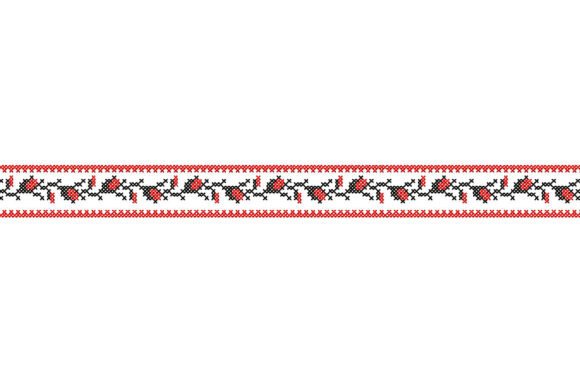
Reviewing Set Vintage Border Embroidery Designs
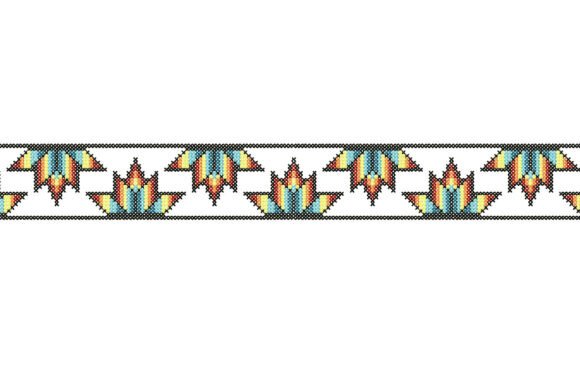
As an embroidery designer who has spent years digitizing patterns and testing them on everything from delicate silk to heavy canvas, I approach every new machine embroidery design with a mix of curiosity and caution. When I first loaded the Set Vintage Border Embroidery Designs into my software, I was immediately struck by the mood. These are not just lines and shapes; they are a narrative woven in thread. The description promises an immersion into Slavic tradition, and visually, it delivers. The patterns feel classic, elegant, and deeply rooted in heritage, making them perfect for creators who want their work to feel timeless rather than trendy.
For those of us running small shops or selling on platforms like Etsy, finding a design that bridges the gap between traditional craftsmanship and modern giftability is rare. This set, often referred to as a Folk Cross Stitch Embroidery Pattern, offers that bridge. It feels handmade, even though it is stitched by a machine. The charm lies in the detail level—it is intricate enough to look expensive but structured enough to be manageable for a home embroiderer. In this review, I will walk you through how I tested these borders for a personalized gift shop scenario, focusing on practical application, fabric choices, and commercial viability.
The First Impression: Mood and Emotional Appeal
The immediate emotional appeal of the Set Vintage Border Embroidery Designs is warmth. There is a romantic, nostalgic quality to the motifs that reminds me of heirloom linens passed down through generations. For a customer looking for a meaningful gift, this aesthetic signals care and thoughtfulness. It does not scream for attention with neon colors or chaotic shapes; instead, it invites the viewer to look closer. This subtlety is crucial for high-end personalized gifts. Whether you are creating a wedding keepsake or a baby blanket, the design exudes a sense of stability and tradition.
I found the style to be versatile. While it leans towards the classic and traditional, it can easily fit into a modern farmhouse or bohemian aesthetic depending on the thread colors chosen. If you use crisp white thread on natural linen, it feels fresh and contemporary. If you choose deep reds and golds on cream fabric, it feels regal and historical. This flexibility is a major selling point for any Etsy seller or craft fair vendor looking to maximize the utility of a single digital purchase.
Real-World Applications for Personalized Gifts
To truly test the value of this embroidery file, I imagined several real-world scenarios involving customers who want custom items. Here is how the design performs across different product categories:
- Baby Embroidery and Nursery Decor: I tested the border on a soft muslin blanket. The result was stunning. The geometric yet organic nature of the Slavic patterns feels gentle and protective, ideal for a nursery item. However, for baby clothes, one must be cautious about the backing. The design works beautifully on a bib or a receiving blanket, adding a touch of heritage to a modern baby shower gift.
- Kitchen and Home Textiles: An embroidered towel is perhaps the most natural home for this design. I stitched it onto a flour sack towel, and the border framed the edge perfectly. It transforms a simple kitchen tool into a decorative piece. Similarly, on a pillow cover, the border adds texture and visual interest without overwhelming the room’s decor.
- Wedding Gifts and Keepsakes: For wedding gift designers, this set is a goldmine. Imagine monogramming the center of a table runner with this vintage border framing the initials. It elevates a standard custom order into a luxury item. The perceived value increases significantly when such detailed borders are used, allowing small business owners to charge a premium for their time and skill.
- Apparel and Totes: I also tested the design on a canvas tote bag. The sturdy fabric held the stitches well, and the border looked intentional and chic. It is a great option for custom embroidery on aprons or tote bags for bridal parties or family reunions.
Technical Considerations and Fabric Challenges
While the aesthetic is lovely, a professional review must address the technical realities. Not every fabric plays nicely with every design. Here are the areas where you need to exercise caution when using the Set Vintage Border Embroidery Designs:
Fabric Texture and Stability: The design features delicate details that can get lost on highly textured fabrics like thick terry cloth towels or rough burlap. For an embroidered towel, choose a flat-weave linen or cotton for the crispest results. If you must use a textured fabric, consider increasing the stitch density slightly if your software allows, or using a thicker thread to ensure visibility.
Stretchy Materials: Using this border on stretchy baby clothes requires a robust stabilizer. Because borders often have long horizontal runs, there is a risk of puckering if the fabric shifts. Always use a cut-away stabilizer for garments that will be washed frequently. For non-stretch items like pillow covers, a tear-away might suffice, but I prefer cut-away for longevity.
Dark Fabrics: The contrast is key. If you are stitching on dark fabric, ensure your thread colors pop. A printable mockup can help you visualize this before you stitch. I recommend testing on scrap fabric first to check thread color contrast. Sometimes, what looks good on screen looks muddy on dark navy or black fabric.
Curved Surfaces: Applying a straight border to a curved surface, like the hem of a round tablecloth or a curved pocket, requires careful hooping. You may need to break the design into smaller sections or use a floating hoop technique to ensure the alignment remains perfect.
Enhancing Perceived Value and Customer Trust
From a business perspective, the Set Vintage Border Embroidery Designs is a tool for building trust. When a customer receives a product with clean, dense, and well-aligned stitching, they perceive the maker as skilled. This design helps achieve that look because the patterns are structured and repetitive, which minimizes the risk of user error compared to free-form artistic designs.
For small shop products, presentation is everything. Use the finished product in your photography. Show close-ups of the stitch quality. Highlight the "handmade" feel even though it is machine-made. This emotional connection drives buyer engagement. Customers are not just buying a towel; they are buying a piece of art that connects them to tradition. Mentioning the Slavic inspiration in your product descriptions can add depth and story to your listings, making them more memorable.
Practical Notes for the Embroiderer
Before you start selling finished products, here is a checklist for working with this set:
- Check the Details: Since the product description mentions it is a "Folk Cross Stitch Embroidery Pattern," verify if the design mimics cross-stitch pixels or uses satin stitches. This affects the look and the thread consumption.
- Verify File Formats: Ensure the digital embroidery file includes the format compatible with your machine. Do not assume; check the download folder.
- Licensing: Confirm commercial licensing terms. Most designers allow selling finished physical products, but you must check if there are restrictions on mass production or digital resale.
- Stabilizer Choice: Match the stabilizer to the fabric weight. Light fabrics need light stabilizers to avoid stiffness; heavy fabrics need strong support to prevent puckering.
- Hoop Size: Check the required hoop size. Borders can be long. Ensure your machine can handle the length, or be prepared to re-hoop and align carefully.
In conclusion, the Set Vintage Border Embroidery Designs is a robust, emotionally resonant addition to any designer’s library. It respects the roots of Borders and Embroidery traditions while offering practical utility for modern makers. Whether you are creating a baby embroidery piece, a wedding gift, or a simple embroidered towel, this design adds a layer of sophistication and heritage that customers love. Test it, respect the fabric, and let the threads tell the story.